The short answer
Most furnace problems in Bell come from long idle periods: dirty flame sensors, clogged filters, weak igniters, and dust-packed blowers. AirCore diagnoses the cause, explains the repair before starting, and tells you plainly if replacement makes more sense.
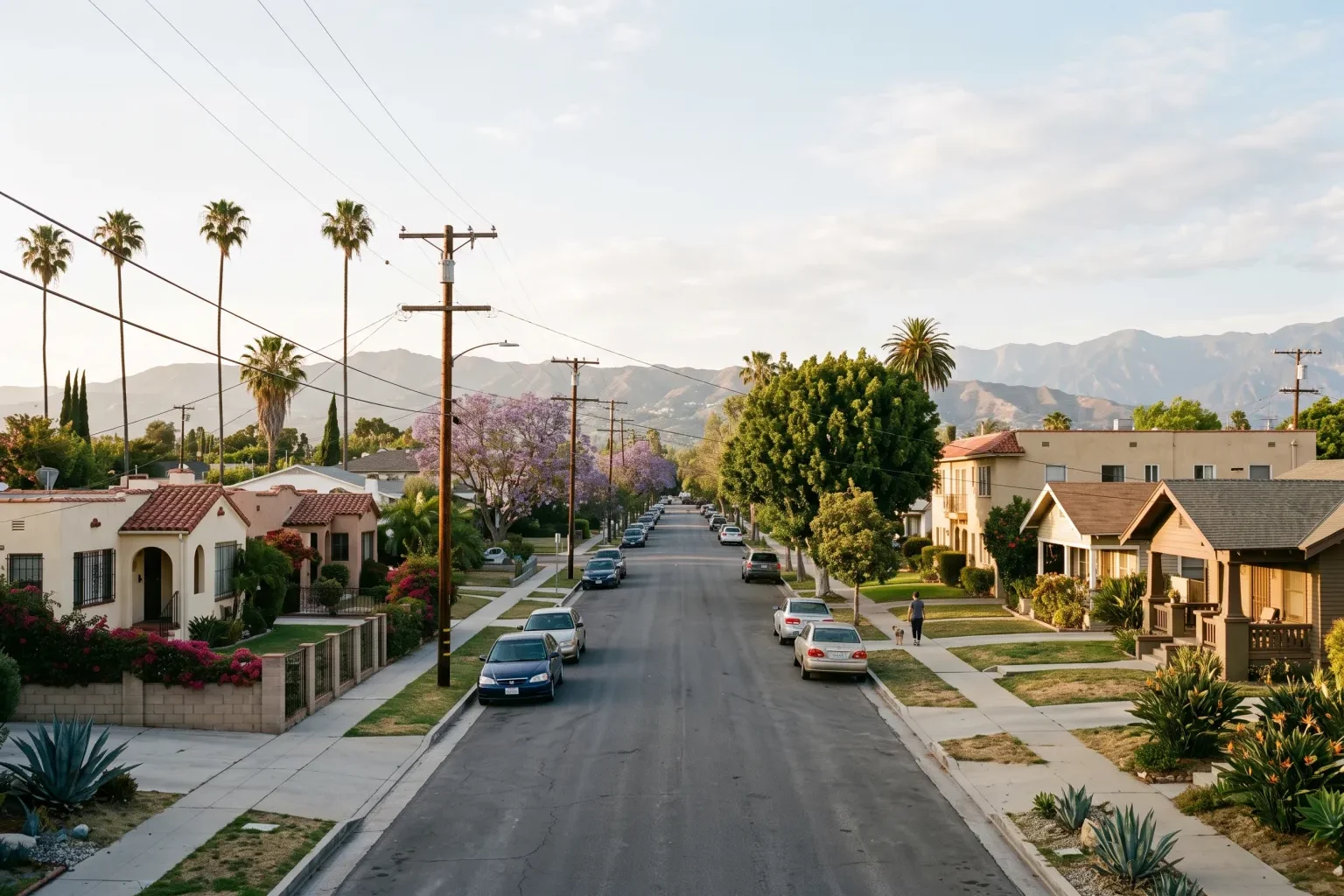
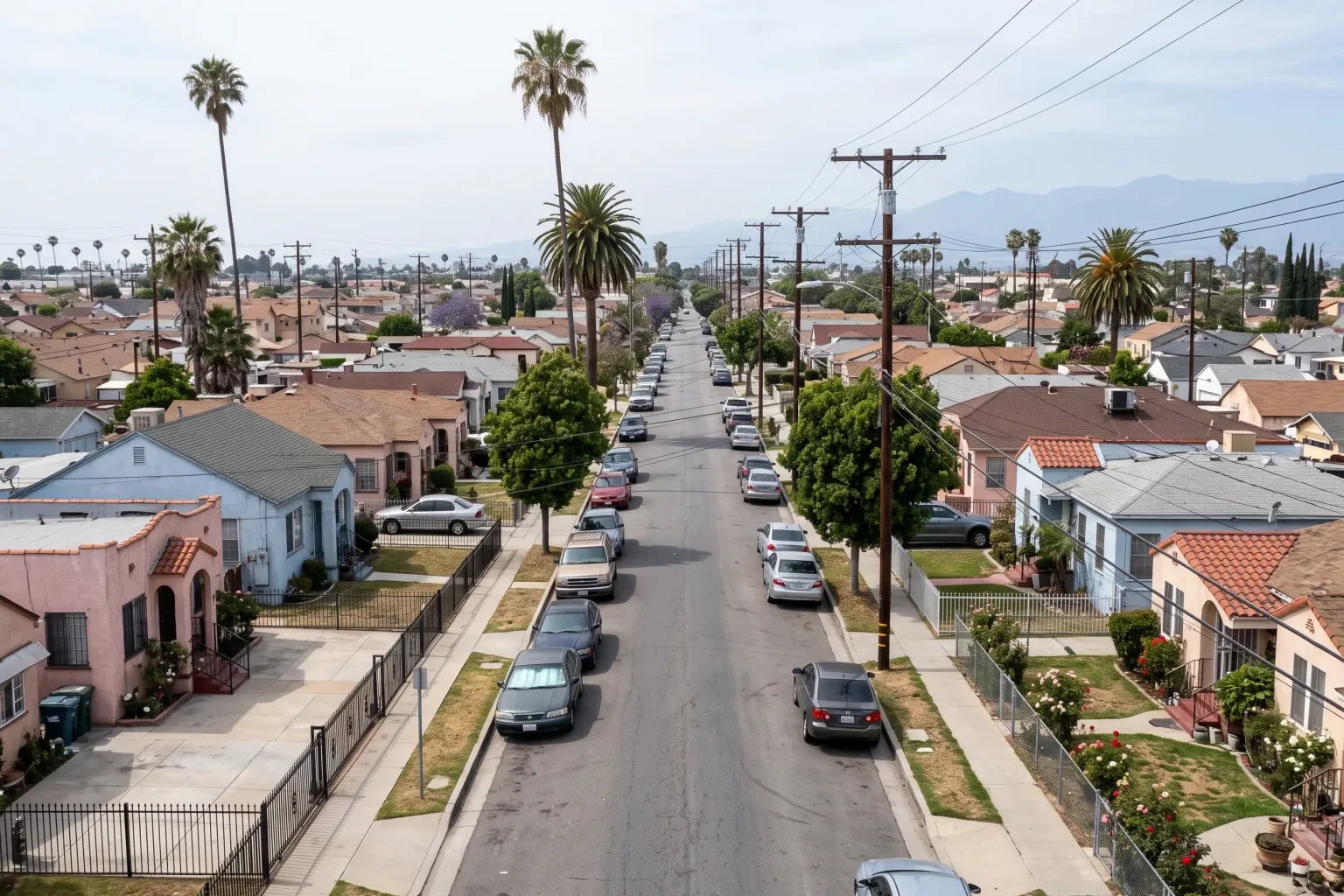
Winters in Bell are mild, so many homeowners go months without thinking about the furnace. Then a cold night comes, the thermostat clicks on, and nothing happens. Or the blower runs but the air stays cool. AirCore HVAC Repair Service is based in Los Angeles, about 8 miles west of Bell, and we repair gas furnaces in Bell homes and nearby Maywood, Cudahy, Huntington Park, Vernon, and South Gate. Because a furnace in this climate sits idle for long stretches, the problems we find tend to be different from those in colder parts of the country. This page explains what usually goes wrong, what you can safely check yourself, and how we handle a repair visit.
Why Furnaces in Bell Fail the Way They Do
Los Angeles has a Mediterranean climate with dry summers and mild winters. In Bell, that means a furnace might run hard for a few weeks and then sit unused for most of the year. Long idle periods let dust settle on the burners and flame sensor. Small parts like igniters and capacitors can also fail on the first startup of the season, after months with no use.
Dry conditions add to the dust problem. Fall Santa Ana winds bring hot, dry spells that push fine dust into attics, garages, and closets where furnaces are often installed. That dust ends up in filters, on blower wheels, and inside the burner compartment. A furnace that worked fine last winter can short-cycle or lock out the first time you turn it on in December.
Common Furnace Problems We Repair
Most service calls in Bell trace back to a short list of causes. Here is what we check and fix most often:
- Furnace starts, lights briefly, then shuts off: usually a dirty or failing flame sensor
- No ignition at all: a cracked hot surface igniter, a bad pilot assembly on older units, or a control board fault
- Blower runs but air is cold: a gas valve, ignition, or limit switch problem
- Furnace short-cycles on and off: often a clogged filter or blocked return causing overheating
- Loud rattling, squealing, or banging: loose panels, a worn blower motor, or delayed ignition
- Inducer motor hum with no flame: a failing inducer or a pressure switch issue
- Thermostat calls for heat but nothing responds: wiring, thermostat, or power supply problems
What You Can Check Before Calling
A few simple checks can save you a service call. Make sure the thermostat is set to heat and the setting is a few degrees above room temperature. Replace the batteries if it uses them. Check that the furnace power switch, which often looks like a light switch near the unit, is on, and that the breaker hasn't tripped. Pull the filter and look at it. If it's gray and packed with dust, replace it.
Do not remove burner covers, bypass switches, or relight anything you're unsure about. If you smell gas, leave the house right away and call your gas utility or 911 from outside. If a carbon monoxide alarm sounds, get everyone outdoors and do not run the furnace until it has been inspected.
How a Repair Visit Works
When we arrive, we ask what you noticed and when it started. Then we run the furnace through a full start cycle and watch each step: the inducer, the pressure switch, ignition, flame, and blower. Most furnaces store error codes, and we read those too. Once we find the cause, we explain it in plain terms and tell you what the repair involves before any work starts.
We also look at the parts that affect safety, including the venting, the flame pattern, and the heat exchanger where it can be seen. If we find a crack or a venting problem, we'll show you and explain the risk. We won't push a repair on equipment that isn't safe to keep running.
Repair or Replace?
Most furnace problems can be fixed with a single part. Replacement starts to make sense when the heat exchanger is cracked, when repairs keep coming back, or when parts for an older unit are hard to find. If you're weighing a new system, know that South Coast AQMD Rule 1111 limits NOx emissions from gas furnaces sold and installed in the Los Angeles region. The district has been amending the rule toward zero-emission requirements and sets the compliance dates, so check the current rule before choosing equipment.
Some Bell homeowners look at heat pumps instead. Rebates depend on the utility that serves your address. Many homes outside the City of Los Angeles are served by Southern California Edison rather than LADWP, so we confirm the current offer before quoting it. The federal 25C tax credit for heat pumps applied only to equipment placed in service before December 31, 2025, and isn't available for new installations.